Save big on kitchen essentials!

Classic Chocolate Mousse
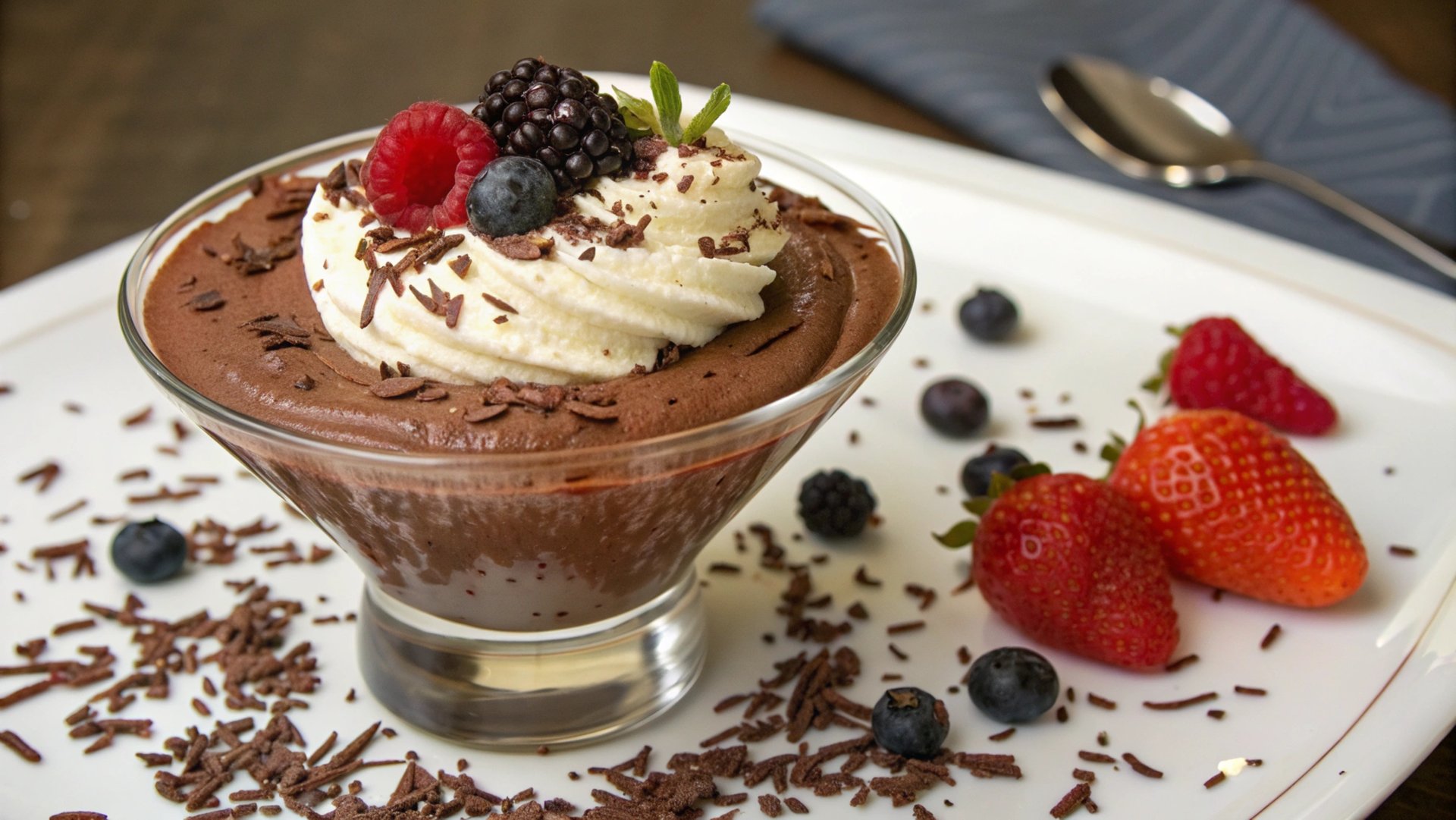
Classic Chocolate Mousse: A Timeless French Delight
Few desserts manage to be both elegantly simple and irresistibly indulgent, but classic chocolate mousse holds that sweet spot perfectly. Light yet rich, airy yet deeply flavorful, this beloved dessert has earned its place on restaurant menus and family tables around the world. Its silky texture and intense chocolate essence make it a go-to recipe for anyone craving something luxurious without overly complex preparation. But where did this sophisticated treat come from, and what gives it its iconic flavor and texture?
A Brief Look at Its Origins
The word mousse itself means “foam” in French, referring to the dessert’s characteristic light and airy structure. Chocolate mousse, or mousse au chocolat, is believed to have originated in France in the 18th century. Early versions of chocolate desserts began emerging after chocolate was introduced to Europe from the Americas in the 1600s, but the technique of whipping ingredients to create a foam greatly evolved in French kitchens.
By the 19th century, French chefs were experimenting with combining chocolate with eggs to create a refined, velvety dessert. One interesting historical footnote is that famous French painter Henri de Toulouse-Lautrec is often credited with a mousse-like chocolate recipe he called “mayonnaise au chocolat”—a playful name that hinted at its creamy consistency. Over time, mousse became more structured, refined, and widely enjoyed, eventually spreading across Europe and the rest of the world as a hallmark of French cuisine.
A Dessert Defined by Texture
The allure of chocolate mousse lies in its texture. Unlike dense chocolate puddings or thick ganaches, mousse is defined by its airy, cloudlike quality. This is achieved by incorporating air—either through whipped egg whites, whipped cream, or a combination of the two. The result is a dessert that melts on the tongue, releasing its rich chocolate flavor instantly.
Classic French mousse relies mainly on egg whites for its structure, giving it a lighter, slightly soufflé-like finish. Modern versions often include whipped cream to create a softer, silkier texture. Both methods have their devoted fans, but the heart of the dessert remains the same: a perfect balance between richness and delicacy.
Essential Ingredients That Make It Stand Out
Classic chocolate mousse only requires a handful of simple ingredients, but each one plays an essential role in achieving its luxurious taste and texture. The traditional recipe includes:
Chocolate: High-quality dark chocolate (usually between 60–70% cocoa) is the star of the show. Its bitterness balanced with sweetness creates the depth of flavor that chocolate mousse is known for.
Eggs: Egg yolks add richness and structure, while egg whites—whipped to stiff peaks—provide the airy lift that defines the dessert.
Sugar: Used sparingly, sugar enhances the chocolate’s natural flavors without overpowering them.
Butter: A small amount of butter adds smoothness and shine, helping the chocolate melt evenly.
Cream (optional): Some variations include whipped cream for a more velvety consistency and subtle sweetness.
Flavorings: Vanilla extract, a touch of espresso, or a splash of liqueur (such as Grand Marnier, rum, or coffee liqueur) can deepen or brighten the flavor profile.
Even with such simple ingredients, chocolate mousse is one of those desserts in which technique truly matters. Gently folding the whipped elements ensures the mixture remains light and airy rather than dense. Patience is key—overmixing can deflate the mousse, while under-mixing leaves uneven textures.
A Dessert with Endless Variations
While the classic chocolate mousse remains the gold standard, countless variations have evolved over time. Some recipes incorporate milk chocolate for a sweeter, creamier result, while others use bittersweet chocolate for a more intense flavor. Vegan versions use aquafaba (whipped chickpea water) in place of egg whites to recreate the airy texture. Modern chefs experiment with toppings like sea salt, chili flakes, caramel drizzle, or fresh berries to complement the chocolate’s complexity.
Served in elegant glasses, rustic bowls, or layered in cakes and pastries, chocolate mousse adapts beautifully to many culinary settings.
Why It Continues to Charm
The enduring appeal of classic chocolate mousse comes from its perfect balance: creamy yet feather-light, sophisticated yet easy to prepare, deeply chocolatey yet never overwhelming. Its French heritage lends it a timeless elegance, while its versatility makes it just as fitting for a casual family meal as for a fine dining experience.
From its origins in French kitchens centuries ago to its place in modern dessert culture, chocolate mousse remains a beloved symbol of culinary artistry—proof that the simplest ingredients, handled with care, can create something truly extraordinary.
Your intelligent kitchen companion. We use advanced AI to help you reduce food waste, discover new flavors, and cook with confidence.
Contact
Subscribe
Copyright © 2026 - YumChefie